A friend lends you a car for the afternoon. You hit a parked vehicle, and the borrowed car needs repairs too. There isn’t one insurance answer for both bills: liability coverage addresses damage you cause to others, while collision coverage addresses damage to the car you borrowed. The owner’s policy is usually the first place to look, but the driver’s policy may also matter.
A rental car adds another layer. You have to check not only your auto policy, but also the rental agreement, any protection you bought at the counter, and the terms of a credit card benefit. The useful question after a crash isn’t simply “Am I insured?” It’s “Which coverage applies to each loss, and in what order?”
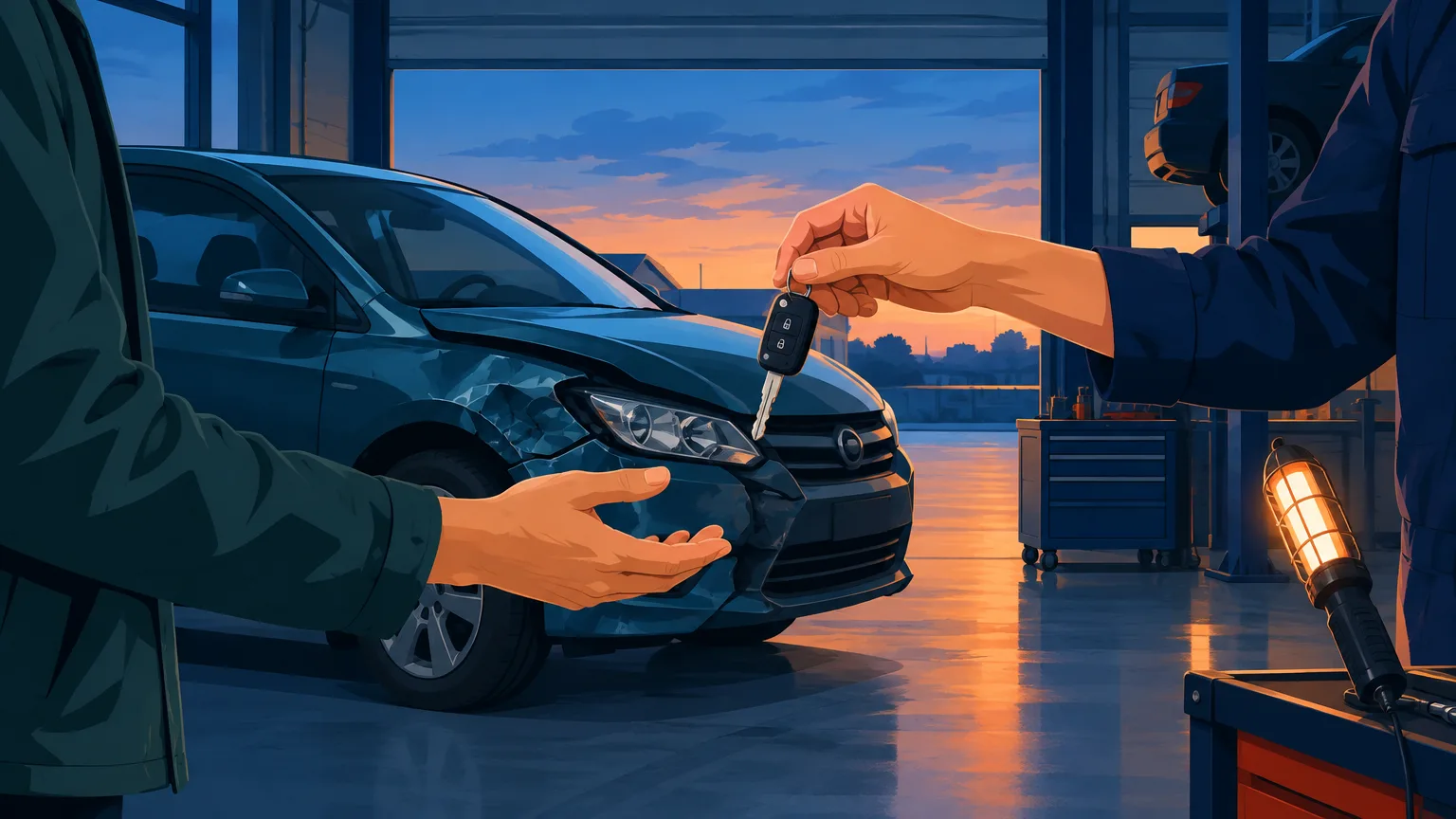
When you borrow someone’s car, start with the owner’s policy
If a licensed friend occasionally drives your car with your permission, your policy will typically cover that driver. Insurers call this permissive use. When the borrower causes a crash, the car owner’s insurance is typically the primary payer, subject to the policy’s coverages and limits. The borrower’s own auto insurance may provide additional coverage, but it doesn’t automatically replace the owner’s policy.
“Primary” describes which policy generally responds first. It doesn’t mean the owner personally caused the crash or that every resulting expense is covered.
Damage and injuries to other people
The owner’s bodily injury and property damage liability coverage generally addresses covered claims from people harmed by the borrower’s driving. For example, property damage liability can pay to repair the car the borrower hit; bodily injury liability can address an injured person’s claim. Both are subject to applicable limits. If a covered claim exceeds the owner’s limits, the borrower’s own policy may provide excess coverage, depending on its terms. If coverage still falls short, the people responsible for the crash may face an unpaid claim. Liability coverage and its limits should be checked separately from coverage for the borrowed car itself.
Injury claims can follow different rules from vehicle repairs. Depending on the state and the policies involved, personal injury protection, medical payments coverage, or uninsured motorist coverage may also be relevant. Don’t assume the same insurer will handle every person’s bills.
Damage to the car you borrowed
The owner’s liability coverage does not pay to repair the owner’s own car. If the car has collision coverage and the crash is covered, the owner can generally claim against that coverage, subject to its deductible. Comprehensive coverage addresses different covered losses, such as theft or certain weather damage—not a typical collision.
Suppose you cause $6,000 in damage to a friend’s car, and the friend’s applicable collision deductible is $500. A covered collision claim might pay $5,500 toward the repair, leaving the deductible unpaid. You and your friend should discuss who will bear that cost, but a private promise to pay it does not change what the insurer owes under the policy. If the owner carries liability coverage but no collision coverage, there may be no payment from that policy to repair the borrowed car after a crash you caused.
Permission has limits
Occasional use is different from lending a car to someone who lives with you or drives it every week. A household member who should have been listed on the policy may face a coverage problem, and an expressly excluded driver is a more serious warning. Insurers also distinguish between someone who had permission and someone who took the car without it. Regular drivers and household members may need to be listed, even if they have insurance of their own.
If you’re the owner, ask your insurer before handing over the keys to a regular driver. If you’re borrowing, confirm that you have permission and that the owner’s insurer covers your use. Don’t rely on the insurance card in the glove box as proof that you are covered.
A rental car creates two separate risks
With a conventional rental, you need a way to address damage to other people and a way to address damage to the rental vehicle. Those are different protections.
Your personal auto liability coverage often extends to a rental used for an ordinary personal trip. If you carry collision and comprehensive coverage, those coverages may extend to the rental as well, usually with the applicable deductible. But the answer depends on your policy, the vehicle, the trip, and where you’re driving. Ask your insurer about the specific rental rather than assuming that coverage on your own car transfers without changes.
Rental companies may provide some liability protection, but what is included in the rental rate and which insurance pays first can vary. For example, Avis describes different liability arrangements by state, including states where automobile liability protection is not included in the rental rate. Don’t treat a rental company’s minimum protection as a substitute for checking your own liability limits.
What the counter options actually do
The names vary, but rental-counter products generally address different losses:
- A collision or loss damage waiver (CDW or LDW) deals with your responsibility for damage to or theft of the rental car. It is a contractual waiver, not liability insurance for injuries or damage you cause to others. Its terms may leave some responsibility with you or become invalid if you violate the agreement.
- Supplemental liability protection increases protection against covered claims by other people, subject to its limits and terms. Enterprise, for example, offers damage waiver and supplemental liability protection as separate products.
- Personal accident and personal effects products address specified injuries or belongings. They may overlap with health, auto, homeowners, or renters coverage.
A damage waiver can be valuable even when your auto policy covers a rental. It may spare you a collision deductible and certain charges that your personal policy may not pay. Rental contracts can also make you responsible for items beyond the repair bill, such as loss-of-use and administrative charges. The Avis loss damage waiver terms show why it matters to read both the waiver and the rental agreement: prohibited uses and unauthorized drivers can affect your protection.
Rental reimbursement is something else entirely. It helps pay the cost of renting a replacement car after a covered loss to your own vehicle, if your policy includes it. It is not, by itself, insurance for a crash in the car you rent.
What your credit card may—and may not—cover
An eligible credit card can sometimes cover theft or collision damage to a rental vehicle. It is not a blanket rental insurance policy. Card benefits typically do not pay for injuries to other people or damage to their property, and some are secondary to personal auto insurance.
The details are card-specific. In one Chase card’s auto rental benefit guide, the renter must complete the rental transaction with the eligible card and decline the rental company’s damage waiver; permitted additional drivers can qualify. The guide also sets limits on rental length and vehicle types and excludes personal liability. Other cards have different terms, so check your own benefit guide before declining protection at the counter.
If you rent through a peer-to-peer car-sharing service rather than a conventional rental company, check that service’s protection plan separately. Don’t assume your personal policy or credit card benefit treats the booking like an ordinary rental.
If you don’t own a car, check the liability gap first
Having no personal auto policy does not necessarily mean a rental leaves you with no protection: the rental agreement and applicable state rules still matter. But you should establish exactly what liability protection applies before driving, and whether it is enough for the risk you’re taking. Then check how you would pay for damage to the rental car. A credit card damage benefit, if you qualify, does not solve the liability question.
If you regularly rent or borrow cars, a non-owner auto policy may be worth considering. A typical non-owner policy provides liability coverage for occasional use, but it usually does not insure the borrowed or rented vehicle against physical damage. Products differ, so ask specifically about rental-car damage and whether cars you regularly use or keep in your household qualify. Some specialized products offer additional coverages; don’t assume the usual liability-only description applies to every policy.
What to do after a crash
First, deal with safety and injuries. Call 911 if someone is hurt, and move a drivable car out of traffic when it’s safe. Exchange information, photograph the vehicles and scene, and collect witness details. The NAIC’s auto-claim guidance also recommends contacting the insurer promptly and keeping records of claim conversations.
Then notify the right parties:
- If you borrowed the car, tell its owner promptly so they can report the crash to the insurer covering it. Report it to your own insurer too, even if you expect the owner’s policy to pay first.
- If you rented the car, follow the rental agreement’s accident-reporting instructions. Contact your auto insurer and, if you plan to use a card benefit, its benefits administrator. Card benefits can have their own notice and document deadlines.
- Keep the rental agreement, proof of payment, photos, police report information, repair estimates, and any bills for towing or other charges. Ask each insurer or benefit administrator which part of the claim it is handling.
Fault may be disputed, and another driver’s insurer may eventually pay some losses. That does not erase your obligation to report the crash under your own policy or rental agreement. Before you borrow or rent again, a few precise questions—“Am I an authorized driver?”, “What covers the car itself?”, “What is the deductible?”, and “Who pays third-party claims first?”—will tell you far more than a general assurance that the vehicle is insured.
Disclaimer
This article provides general insurance information, not advice about a specific claim or policy. Coverage depends on the policy, rental agreement, facts of the crash, and applicable state law.